
Straight Lace vs. Cross Lace Wire Wheels
Straight lace wire wheels use a more orderly, radial spoke path, while cross lace wheels create visible overlaps and a more layered face. Compare both patterns, learn how spoke count changes the result, and review what actually determines vehicle fitment.
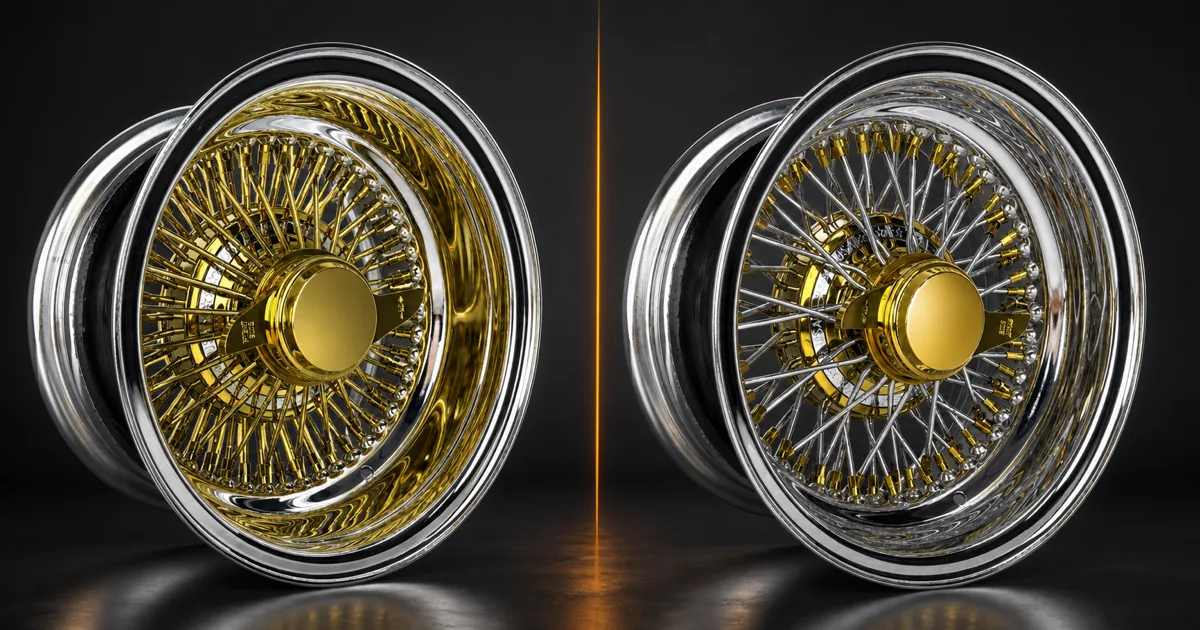
Straight lace emphasizes a more uniform spoke path; cross lace creates more visible intersections. Compare the individual product photos below for the clearest view.
Lace pattern is one of the first details people notice on a wire wheel, but the difference can be difficult to understand from a product name alone. “Straight lace” and “cross lace” describe how the spokes travel between the center area and the rim. They do not identify a wheel’s size, finish, mounting requirements, or vehicle compatibility.
The easiest way to compare the two is to look at wheels with the same stated spoke count from a similar angle. That keeps the discussion focused on the pattern rather than confusing lace style with spoke density. The real 72-spoke product images in this guide provide that kind of direct comparison.
Quick takeaway: Choose straight lace when you want a cleaner, more organized face. Choose cross lace when you prefer more visible spoke intersections and a layered appearance. Neither pattern confirms fitment by itself.
What Is a Straight Lace Wire Wheel?
A straight lace wire wheel uses a spoke arrangement that appears to travel outward in a more consistent and orderly direction. The eye can follow the individual spoke lines more easily, so the wheel face often looks clean, balanced, and structured.
“Straight” does not mean that every spoke must look perfectly vertical or that no spokes ever appear near one another. A three-dimensional wire wheel still uses angled components and depth. The name describes the overall visual organization of the lace pattern, not a flat set of lines drawn directly from the center to the rim.
Because the spoke paths appear less interwoven, straight lace can be a good starting point for a build where the wheel should look detailed without visually competing with the car’s paint, trim, body lines, or whitewall tires. The final effect will still change with wheel diameter, spoke count, finish, center style, tire profile, and vehicle stance.
What Is a Cross Lace Wire Wheel?
A cross lace wire wheel uses a pattern in which more spoke lines visibly pass across or intersect with other spoke lines. Those crossings add layers to the wheel face and make the route from the center area to the rim feel more intricate.
The pattern can look especially noticeable when the spokes, nipples, hub, and rim use contrasting finishes. From directly in front, you can see how the lines overlap. From a three-quarter angle, the additional depth and separation between the layers become clearer.
Cross lace is often chosen when the wheel itself is intended to be a strong visual feature of the build. That is a style observation, not a claim that the pattern is automatically stronger, more durable, or capable of carrying more weight. Any performance or load-related comparison must come from verified specifications for the individual products.
Visual Differences
The clearest difference is the way your eye moves across the wheel face. Straight lace gives the spokes a more uniform direction. Cross lace introduces more intersections, so the design appears more layered and complex.
Visual Detail | Straight Lace | Cross Lace |
|---|---|---|
Spoke path | More uniform and directional | More visibly interwoven |
Overall impression | Clean, organized, and balanced | Layered, intricate, and visually active |
Individual spokes | Easier to follow across the face | Crossings become part of the design |
Best viewing angle | Front and three-quarter views | Front view for crossings; angled view for depth |
Vehicle fitment | Cannot be confirmed from lace pattern alone | |
When shopping online, avoid comparing one wheel photographed straight-on with another photographed from a steep angle. Camera position, reflections, finish, and image scale can make two patterns appear more different—or more similar—than they really are. Use product photos with comparable angles whenever possible.
Spoke Count and Lace Pattern
Spoke count and lace pattern are separate design choices. Spoke count tells you how many spokes are used in the stated wheel design. Lace pattern describes how those spokes are arranged. This is why two 72-spoke wheels can look noticeably different: one can use straight lace while another uses cross lace.
Increasing spoke count also changes visual density. For example, a 100-Spoke Straight Lace wheel generally presents a fuller face than a 72-spoke straight-lace wheel, even though the overall organization remains straight lace. If you compare a 100-spoke straight-lace wheel with a 72-spoke cross-lace wheel, you are changing two variables at once—spoke count and pattern—so it becomes harder to identify which detail creates the look you prefer.
A useful shopping sequence is to choose the visual density first, compare lace patterns within that spoke count, and then review the available sizes, finishes, and product options. This keeps style decisions separate from fitment decisions.
Which Style Works Best for a Classic Lowrider Look?
Both styles can work on a classic lowrider. There is no single lace pattern that every period, region, car, or builder treats as the only authentic choice. Body style, paint, chrome trim, tire choice, ride height, and the rest of the build all affect how the wheel is perceived.
Straight lace is a natural choice when you want the wheel face to feel clean and orderly. It can complement a build where the body and paint remain the primary focus. Cross lace suits a setup where you want additional detail within the wheel itself and prefer a more layered appearance around the center.
Before choosing, place front-facing photos of both styles next to a side-view photo of your car. Look at how much visual detail already exists in the paint, trim, moldings, tires, and suspension stance. The better option is usually the one that supports the complete design rather than the one that looks busiest by itself.
Does Lace Pattern Affect Fitment?
Lace pattern alone does not tell you whether a wheel fits a vehicle. Straight lace and cross lace describe appearance and spoke arrangement; they do not replace the actual measurements and mounting details needed for fitment.
Depending on the product and vehicle, fitment considerations can include wheel diameter and width, bolt pattern, offset or backspacing, hub and brake clearance, tire size, suspension setup, and adapter requirements. A wheel that looks right in a photograph can still be unsuitable if those details do not match the vehicle.
When ordering from CR Wire Wheels, enter your vehicle’s year, make, and model on the product page. Choose any required knock-offs, chips, and knock-off adapters from the paid options displayed for that product. If your vehicle has modified brakes, suspension, hubs, bodywork, or other changes that could affect clearance, contact us and provide those details before ordering.
Compare Available Styles
Use the real product photos to compare spoke paths before focusing on finish or accessories. Start with the two 72-spoke collections for the most direct lace-pattern comparison, then view the 100-spoke category if you also want a denser wheel face.
Shop 72-Spoke Straight Lace Shop 72-Spoke Cross Lace Shop 100-Spoke Straight Lace
On each product page, confirm the listed size, finish, included items, selectable accessories, shipping information, and return conditions. Style should narrow the options; product specifications and vehicle information should guide the final purchase.
Related Articles
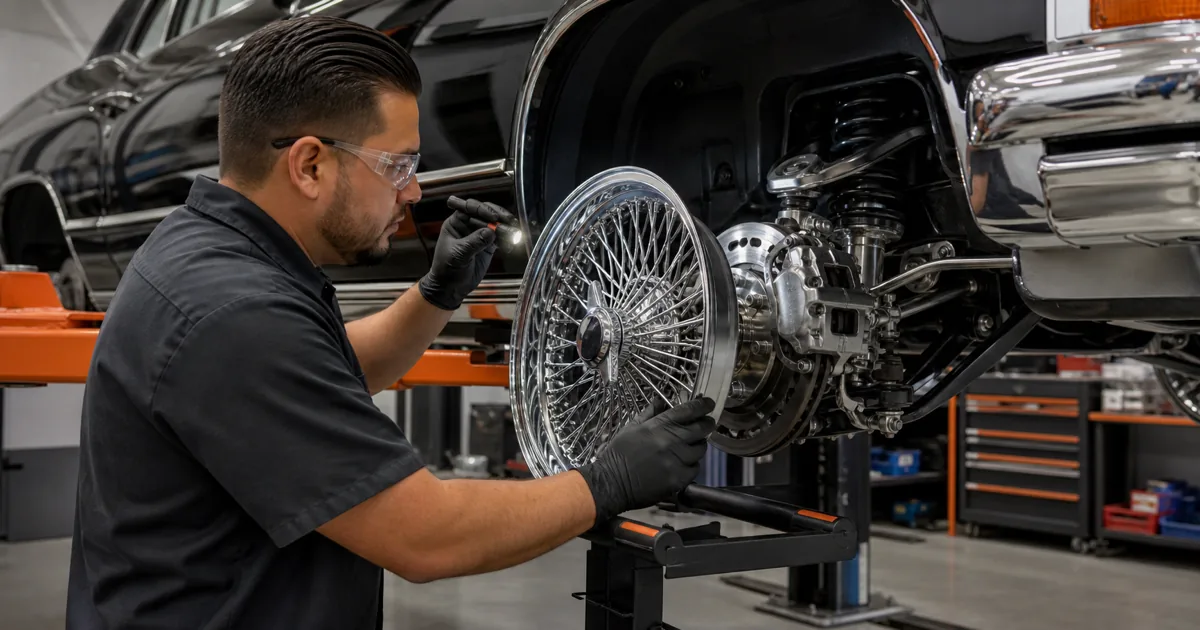
How to Test-Fit Wire Wheels Before Mounting Tires
Before tires are mounted, have a qualified installer inspect the wheels, confirm the adapters and side-specific components, and test-fit the system without damaging it. This can reveal clearance or order problems while the wheels are still unused and easier to evaluate.
Read More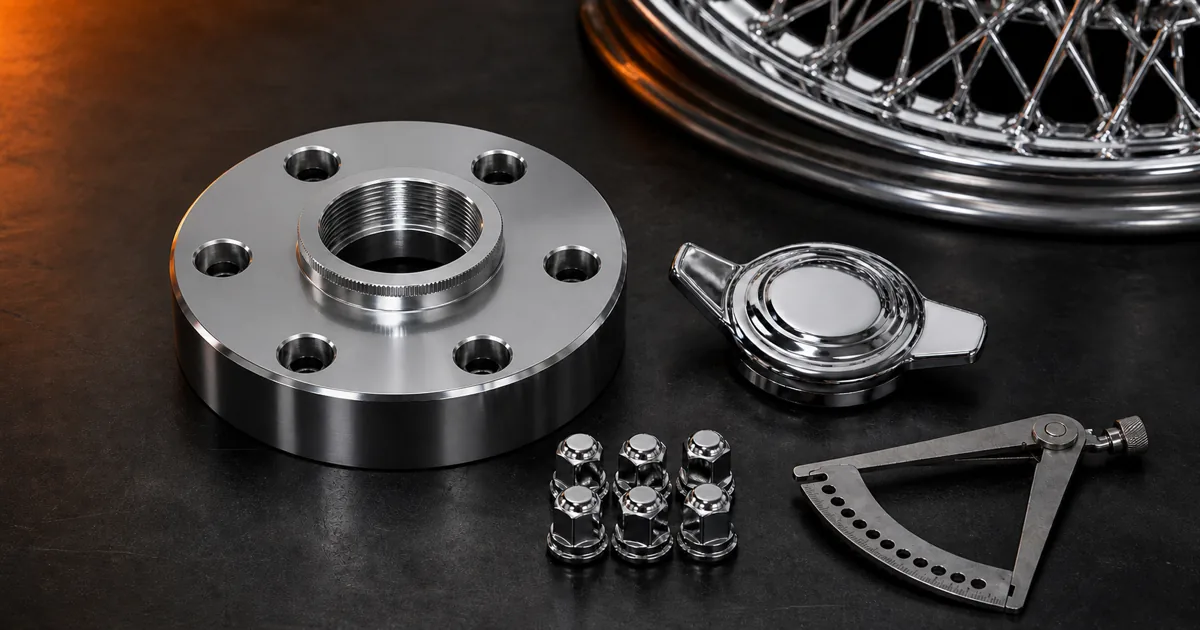
Wire Wheel Adapters & Bolt Patterns
Wire wheel adapter listings can be confusing when they combine bolt-pattern numbers, left- and right-side components, and knock-off hardware. This guide explains what those terms usually mean, what information is needed before ordering, and why installation should follow the instructions supplied with the actual components.
Read More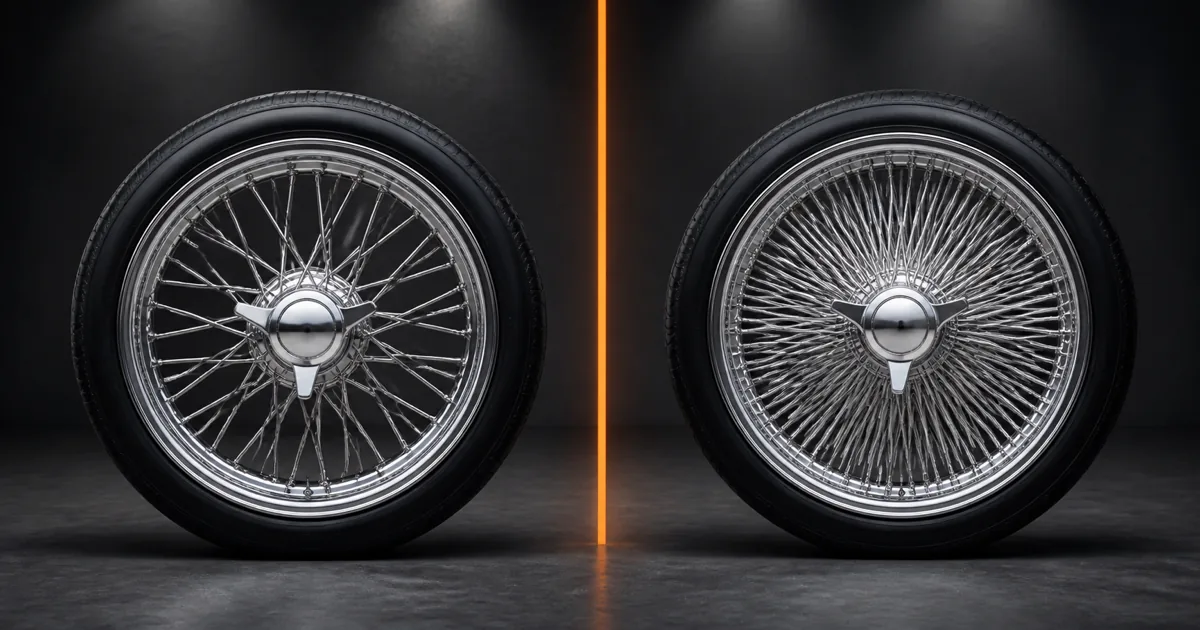
72-Spoke vs. 100-Spoke Wire Wheels: What’s the Difference?
Compare 72-spoke and 100-spoke wire wheels by appearance, lace pattern, available sizes, finishes, and fitment considerations. Learn which style better matches the look you want for your lowrider or classic car.
Read More