
Classic Impala Wheel Guide: Fitment, Style and Stance
Few American cars have a silhouette as recognizable as the classic Chevrolet Impala. Its long body, generous chrome trim and low, confident profile give it a presence that can be strengthened—or weakened—by the wheels underneath it.
Choosing wheels for a classic Impala is therefore more than selecting a diameter and an attractive finish. The wheels must work with the suspension, brakes, tires, body lines and intended use of the vehicle. A combination that looks impressive in a photograph may not produce the same result on a car with a different ride height or suspension setup.
This guide explains how to build a wheel package around your particular Impala rather than relying on appearance alone.
Begin With the Way You Use Your Impala
Before looking at spoke counts or finishes, decide how the car will normally be driven.
A weekend cruiser requires a different balance than a dedicated show car. A traditional lowrider may prioritize period-inspired proportions and a dramatic stance, while a restomod may need additional room for upgraded brakes and modern suspension components.
Consider the following questions:
Is the car mainly used for shows, cruises or regular street driving?
Does it have stock suspension, lowering springs, air suspension or hydraulics?
Have the factory brakes been replaced?
Will the vehicle regularly carry passengers?
Are comfort and easy tire replacement important?
Do you want a traditional or contemporary appearance?
These answers create a practical starting point. They can also prevent you from buying a wheel that looks right but does not suit the way the car is driven.
Document the Car’s Current Configuration
Classic Impalas have often been repaired or modified several times during their lives. Two cars from the same model year may no longer have identical suspension, brakes or axle components.
Inspect the car as it exists today instead of relying only on factory specifications. Record any changes involving:
Front and rear suspension
Disc-brake conversions
Axle or rear-end replacement
Lowering components
Air suspension or hydraulic equipment
Modified steering parts
Previous body or frame work
This step is especially important when buying wheels for a restored or customized vehicle. A brake conversion, for example, may change the amount of space available behind the wheel face. Changes to the rear axle can affect how far the wheels sit inside the quarter panels.
Build the Wheel and Tire Combination Together
A wheel cannot be evaluated separately from its tire. Diameter, width and tire profile work together to determine the final height, clearance and appearance of the package.
Wheel Diameter
Smaller-diameter wheels with more visible tire sidewall generally create a traditional appearance. They can complement the proportions associated with classic cruisers and old-school lowriders.
Larger wheels reduce the amount of visible sidewall and create a more modern custom look. However, increasing diameter can affect ride quality, tire selection and available clearance.
The largest wheel is not automatically the best choice. The goal is to find a diameter that supports the car’s design without overpowering its body.
Wheel Width
Width determines how the tire sits beneath the fender and how much clearance remains near the suspension and steering components.
A wheel that is too wide may contact the body or inner suspension. A narrow wheel with the wrong position can also look recessed or create an awkward stance. Front and rear clearances should be checked separately because they may not be identical.
Tire Profile
Tire sidewall height has a major effect on both comfort and appearance. More sidewall can provide a softer visual transition between the road and the body. A lower-profile tire can make the wheel appear larger and more prominent.
Before finalizing the wheels, confirm that suitable tires are available in the required size and load rating.
Use Stance to Guide the Proportions
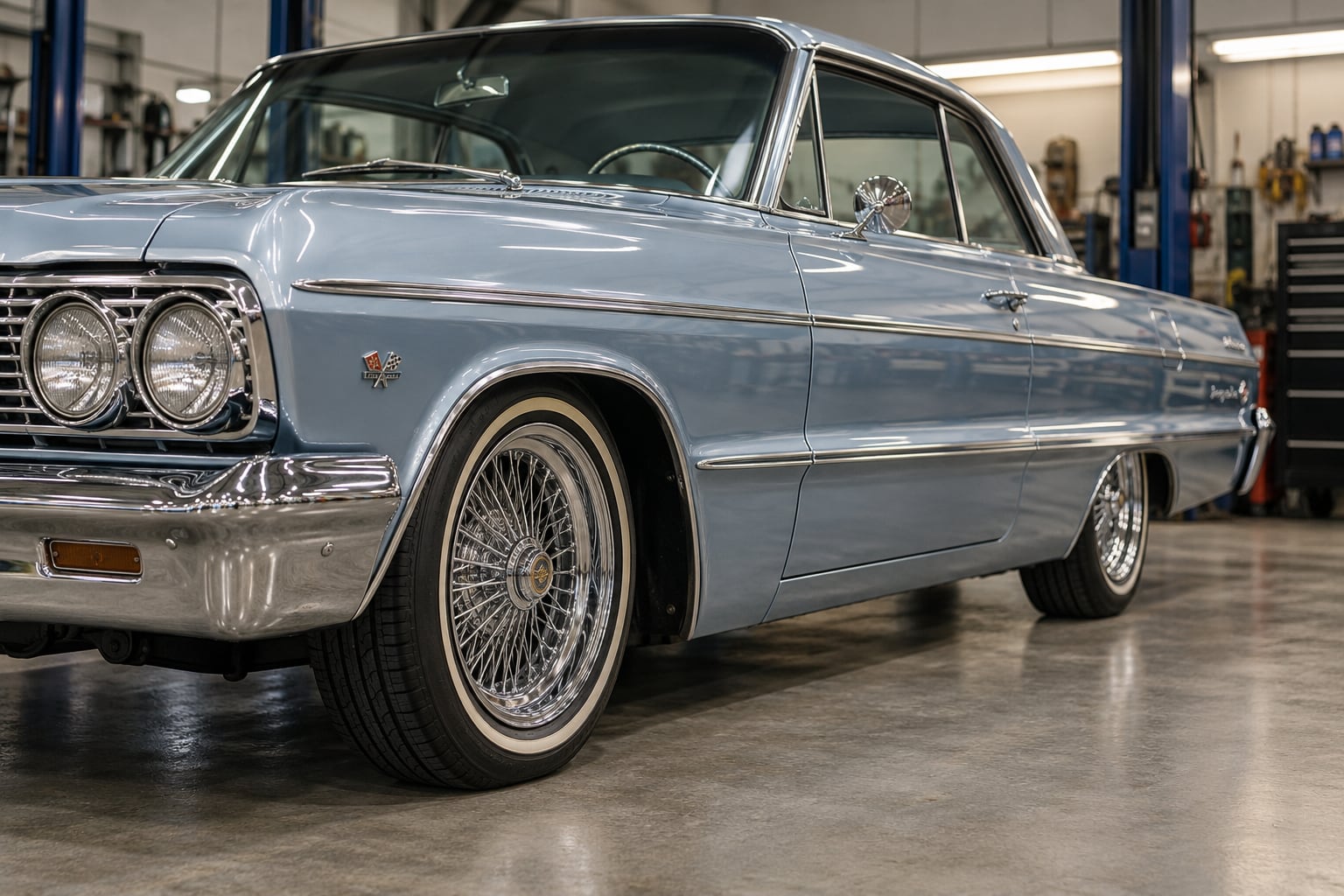
The relationship between the body and the wheels is what gives an Impala its stance. Wheel diameter alone does not create that effect.
Examine the car from the side, front and rear. Consider:
The amount of space between the tire and fender
How far the wheel face sits inside or outside the body
Whether the front and rear heights appear balanced
The tire’s relationship to the lower body line
Clearance when the steering is turned
Clearance throughout suspension movement
If the Impala uses adjustable suspension, measurements should be taken at its normal driving height. A setup that clears while the car is raised may rub once it is lowered.
The best stance is one that looks intentional while still allowing the car to function safely under real driving conditions.
Select a Wire-Wheel Design That Matches the Build
Wire wheels have a strong connection to classic custom and lowrider styling. However, differences in spoke layout and density can significantly change the character of the car.
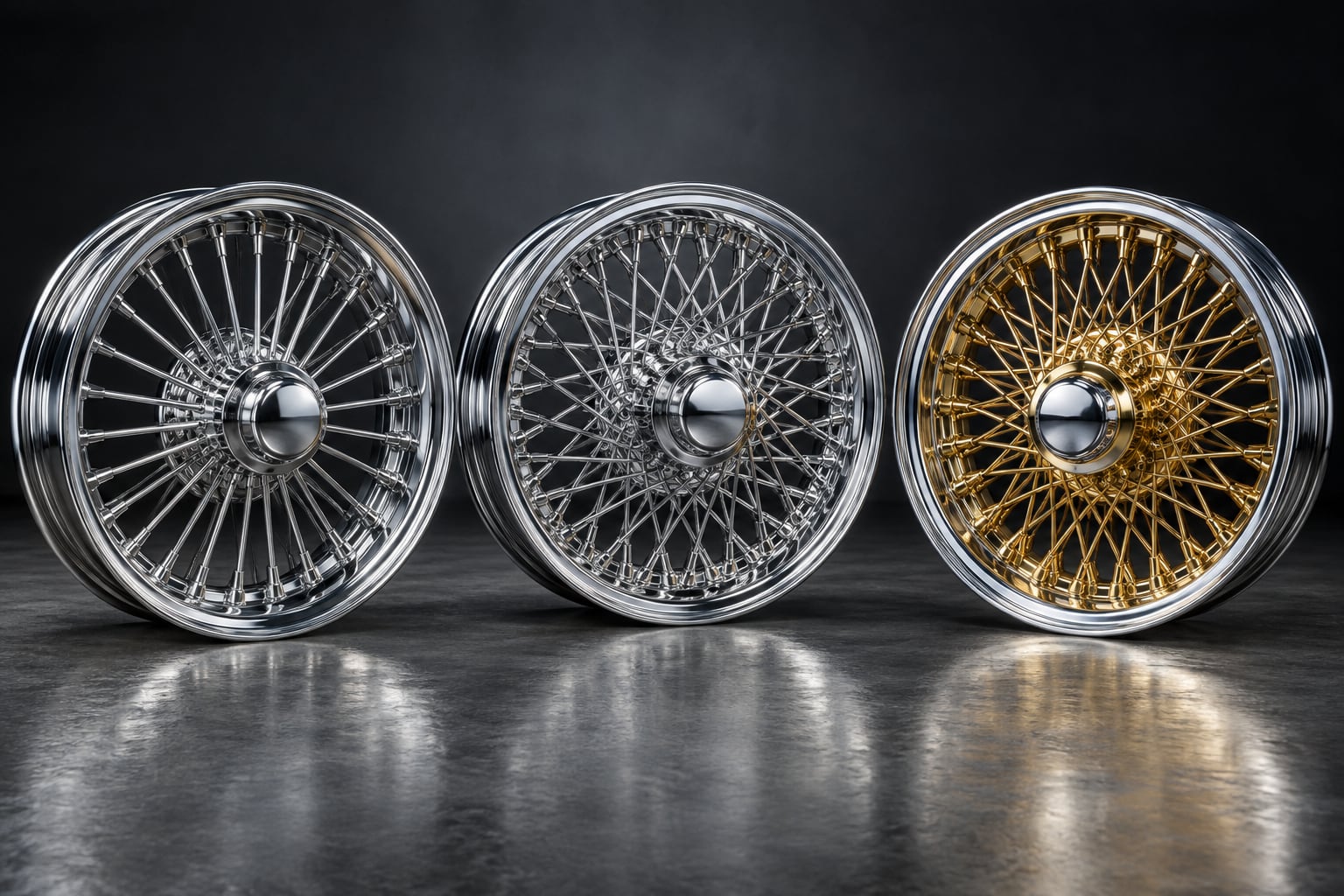
Open Spoke Patterns
A relatively open pattern provides a cleaner wheel face and allows more of the hub and brake area to remain visible. This can work well when the goal is understated detail or when the paint and bodywork should remain the main attraction.
Dense Spoke Patterns
A higher spoke count creates a fuller, more intricate appearance. Dense patterns reflect more light and can give the wheel greater visual weight, especially on cars built for shows.
Cross-Lace Patterns
Cross-lace wire wheels use overlapping spokes to create additional depth and texture. They can add movement to the design when viewed from different angles and work particularly well on builds that already feature detailed paint, chrome or engraved components.
Choose the pattern according to the entire car. A complicated design may complement a highly detailed build, while a simpler wheel can provide balance when the paint or body modifications are already visually strong.
Coordinate the Finish With the Whole Car
Wheel finish should connect with details that already exist on the vehicle. Look at the body color, trim, grille, bumpers, interior accents and other metal finishes before making a decision.
Chrome
Chrome offers a bright, reflective appearance that naturally coordinates with polished bumpers and factory-style trim. It is a versatile choice for traditional restorations, cruisers and lowrider builds.
Gold
Gold wire wheels introduce warmth and contrast. They can stand out against black, white, burgundy, green and other deep body colors. Gold is most effective when it is supported by smaller details elsewhere on the car rather than appearing as an isolated color.
Mixed Finishes
Combining chrome and gold can create contrast while preserving a polished appearance. Mixed finishes also make individual parts of the wheel more visible.
Powder-Coated Accents
Powder coating provides opportunities to introduce body-colored or contrasting details. Exact color matching is not always necessary. In some cases, a carefully selected contrast makes the spokes easier to see and prevents the wheels from blending into the body.
Think about visual priority: should people notice the paint first, the wheels first or the entire car as one coordinated design?
Verify the Technical Fitment
Once the style has been selected, technical measurements must determine whether the wheel can actually be used.
Confirm all of the following before ordering:
Bolt pattern
Wheel diameter
Wheel width
Offset or backspacing
Hub and mounting requirements
Inner suspension clearance
Outer fender clearance
Brake-caliper clearance
Tire size and overall diameter
Clearance at full steering lock
Clearance through suspension travel
Measurements should be taken on both sides of the vehicle. Older cars may have small variations caused by previous repairs, suspension wear or body alignment.
Do not assume that a wheel will fit simply because it was installed on another Impala. Model year, brake components, suspension modifications and axle configuration can all change the available space.
If any measurement is uncertain, provide the wheel supplier with photographs and detailed information about the vehicle. Professional fitment guidance is far less expensive than correcting an incompatible order.
Avoid These Common Buying Mistakes
Many wheel problems begin when appearance becomes the only consideration.
Common mistakes include:
Ordering before measuring the vehicle
Copying another car’s setup without comparing modifications
Choosing wheels before checking tire availability
Ignoring brake clearance after a disc-brake conversion
Measuring the car only at its raised suspension height
Selecting an aggressive width without checking fender clearance
Mixing finishes that compete with the paint and trim
Focusing on diameter while overlooking offset and backspacing
Taking additional time during the planning stage can prevent rubbing, poor wheel position and an unbalanced appearance.
Prepare a Fitment Worksheet Before Ordering
Create a simple record that can be shared with the wheel manufacturer or retailer.
Include:
The Impala’s exact model year
Front and rear wheel-well measurements
Current suspension type and normal ride height
Brake type and any conversion details
Front and rear axle information
Preferred wheel diameter and width
Intended tire size
Desired spoke pattern and finish
Clear photographs from the front, rear and both sides
This information makes it easier to identify potential problems before the wheels are manufactured or shipped.
Complete the Car With the Right Wheel Package
The right wheels should look as though they belong on the Impala rather than appearing to be an unrelated addition. That result comes from combining design choices with careful measurement.
Start with the way the car will be used. Document its current suspension and brake configuration, then develop the wheel and tire combination as a complete package. Use the body lines, ride height and existing finishes to guide the visual decisions. Finally, verify every important fitment measurement before placing the order.
Luxor Wire Wheels offers wire-wheel designs for classic, custom and lowrider vehicles. Explore our available collections or contact our team with your Impala’s model year, suspension details and preferred style for help evaluating your wheel options.
Related Articles
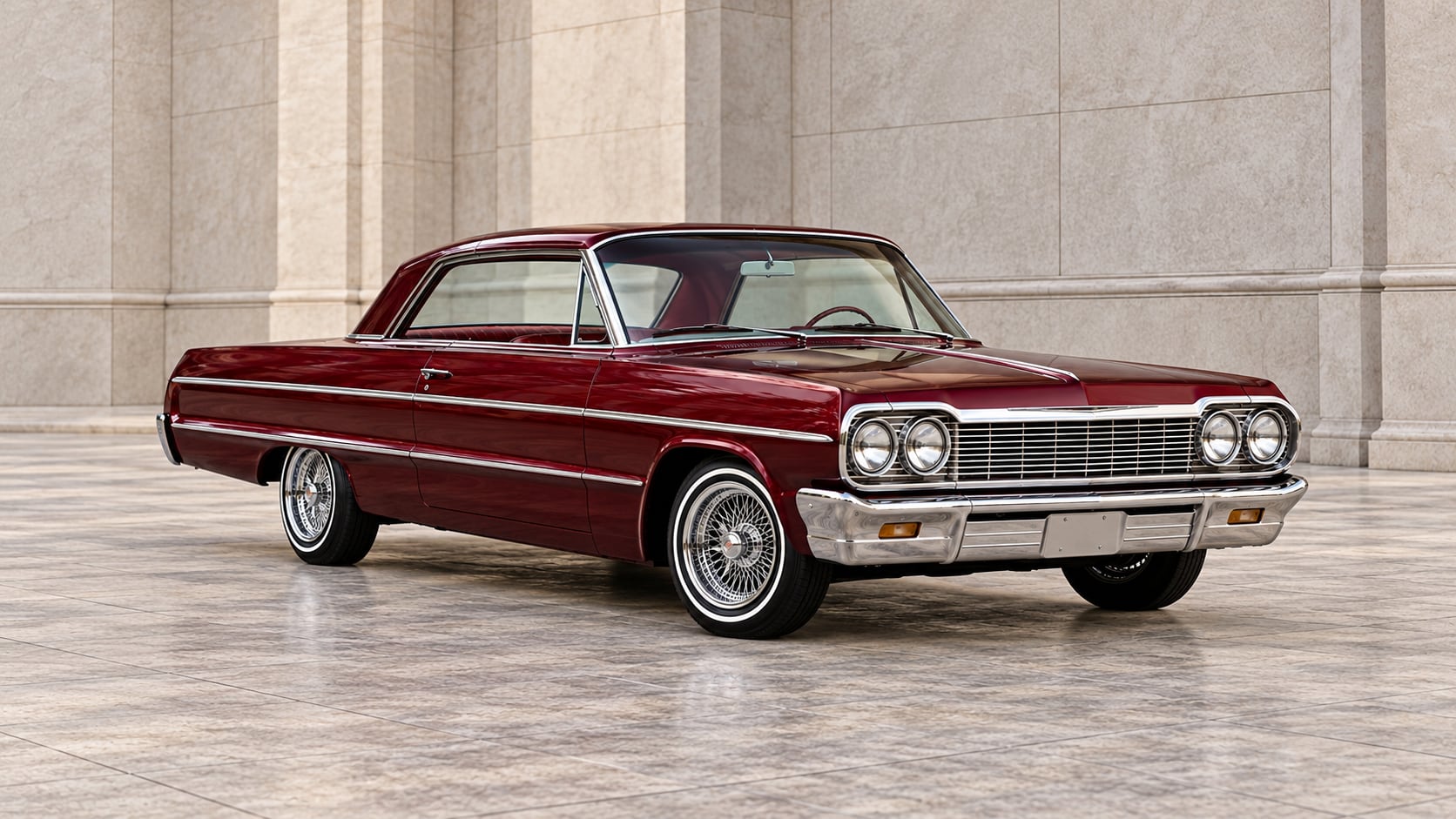
1964 Chevrolet Impala Wire Wheels: A Buyer’s Guide
Compare wire wheel styles for your 1964 Chevrolet Impala, from open chrome designs to denser spokes and gold accents. Learn which vehicle details, mounting components, tire specifications, and order options to verify before buying.
Read More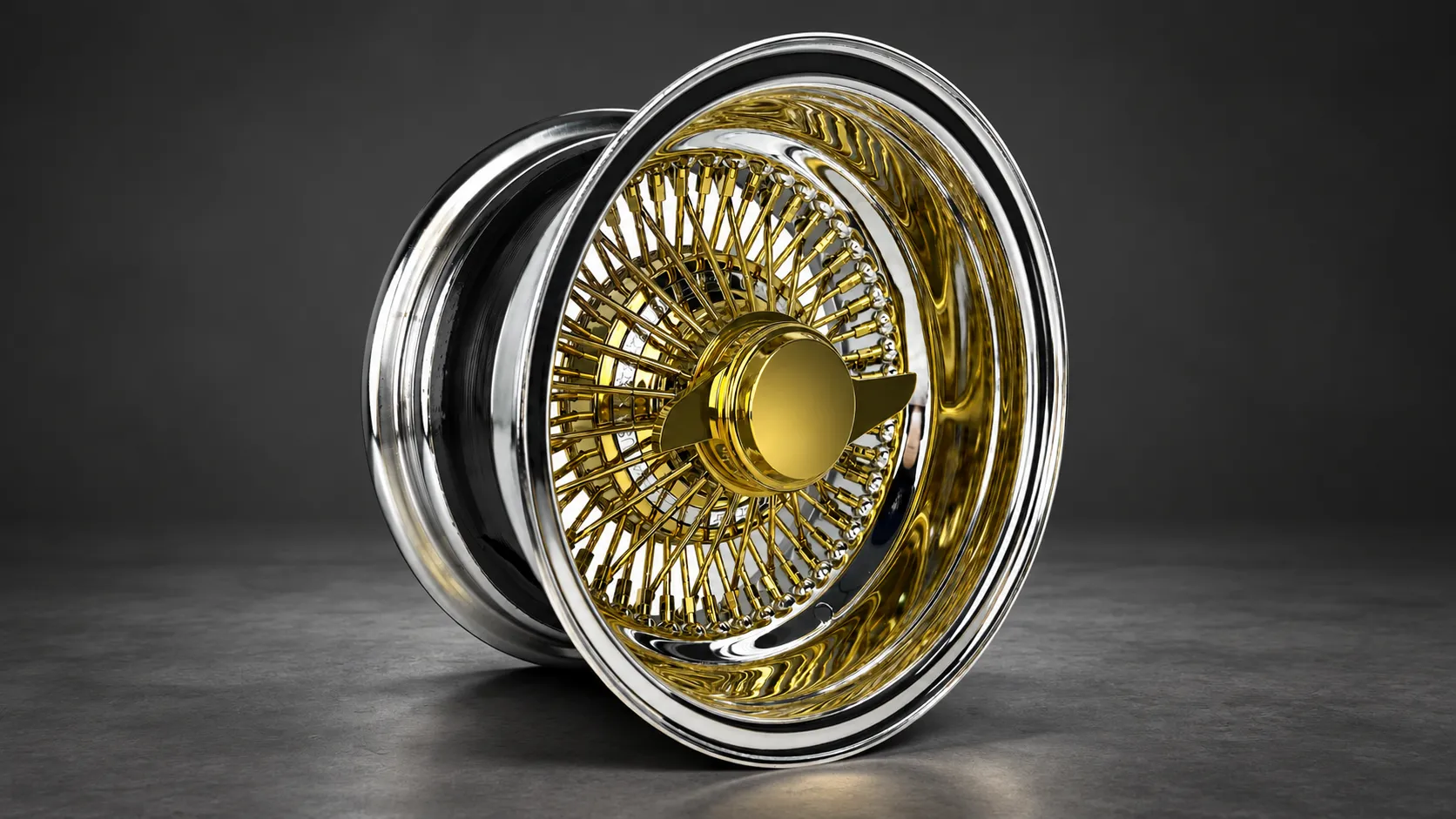
Standard vs. Reverse vs. FWD Wire Wheels: What’s the Difference?
Standard, Reverse, and FWD labels help narrow your wire-wheel choices, but they do not confirm fitment. Learn how appearance, offset, backspacing, adapters, and vehicle measurements work together before choosing wheels for your build.
Read More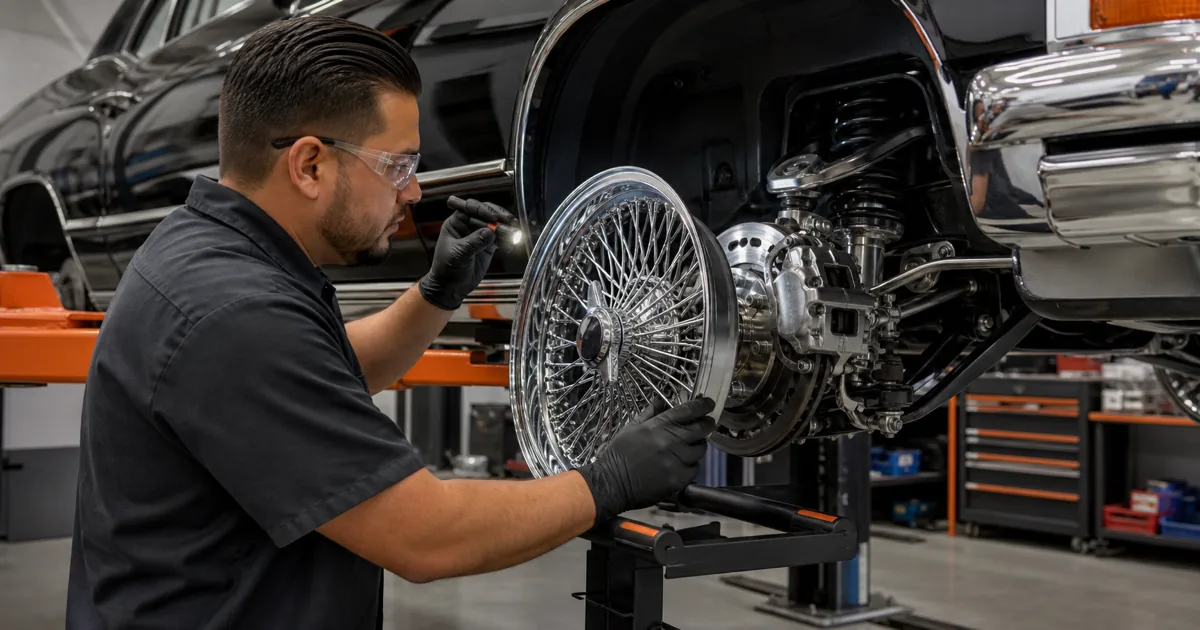
How to Test-Fit Wire Wheels Before Mounting Tires
Before tires are mounted, have a qualified installer inspect the wheels, confirm the adapters and side-specific components, and test-fit the system without damaging it. This can reveal clearance or order problems while the wheels are still unused and easier to evaluate.
Read More