
Standard vs. Reverse vs. FWD Wire Wheels: What’s the Difference?
Standard, Reverse, and FWD describe wire-wheel configurations—not three universal fitment specifications. In common wire-wheel terminology, Standard identifies a conventional configuration, Reverse is associated with a deeper-dish appearance, and FWD identifies a high-offset configuration. The exact dimensions depend on the manufacturer and the wheel you select.
Use those names to narrow the look you want. Then use wheel dimensions, mounting-system details, and vehicle measurements to decide what belongs on your build. Here’s how to separate those decisions before ordering from CR Wire Wheels.
Quick comparison: what the names tell you
Configuration | General meaning | What the label does not establish |
|---|---|---|
Standard | A conventional configuration within the manufacturer’s range | Zero offset, factory-equivalent fitment, or a fixed lip depth |
Reverse | A configuration associated with a deeper-dish appearance | An exact negative offset or guaranteed fender clearance |
FWD | A high-offset configuration associated with front-wheel-drive applications | Compatibility with every front-wheel-drive car, or exclusion from every rear-wheel-drive build |
These are naming conventions, not a CR specification chart. For example, Dayton’s technical information distinguishes standard-offset, deep-dish, and high-offset configurations. That helps explain the terminology; it does not establish dimensions for CR products.
Lip depth, offset, and backspacing answer different questions
Lip depth: what you see
The outer lip is the visible rim area between the outer edge and the spoke attachment area. A deeper-looking lip gives the wheel a more recessed appearance. Spoke attachment locations, rim shape, and camera angle all influence that impression.
The visible center cap or spinner is not a reliable marker of the mounting surface behind it. A dramatic front view cannot tell you how far the wheel will sit toward the fender or suspension.
Offset: where the mounting surface sits
Offset is the distance between the wheel’s centerline and its mounting surface, usually expressed in millimeters. The centerline is halfway across the wheel’s width; the mounting surface is where the wheel seats against its mating hub or adapter.
Positive offset places that surface toward the wheel’s outer face. Zero offset places it at the centerline. Negative offset places it toward the inboard side. These definitions follow Konig’s offset explanation.
With wheel width and the mounting system held constant, a more positive offset moves the wheel inward; a less positive or more negative offset moves it outward. This changes the space available on both sides—not just the stance you see from outside.
Backspacing: how much wheel extends inward
Backspacing is the distance from the wheel’s mounting surface to its inboard rim edge. It helps describe how much room the wheel needs behind the mounting plane. Cragar’s technical guide illustrates this measurement and distinguishes bead-seat width from overall rim width.
That distinction matters: advertised wheel width is measured between the tire bead seats, not across the outer edges. Do not calculate backspacing by simply halving the advertised width and treating it as the overall width.
Two wheels with the same offset but different widths can have different backspacing. Two wheels with similar-looking lips can also have different mounting positions. Ask for the actual measurements rather than estimating from photographs.
Choosing a configuration for your build
Standard is a starting point, not a factory-fit promise. The name does not mean the wheel matches your original equipment or sits flush with your bodywork. Compare its dimensions with your current setup and available clearance.
Reverse is worth considering when depth is part of the look. If the selected wheel’s dimensions place the assembly farther outward, check fender and tire clearance carefully. A deep lip alone does not tell you how much outward movement will occur.
FWD is a configuration label, not a vehicle selector. A front-wheel-drive car still needs the correct width, mounting interface, brake clearance, and tire size. A rear-wheel-drive vehicle should not be ruled in or out solely by this label either. The complete fitment determines suitability.
Keep spoke count, lace pattern, and finish as separate choices. None replaces a dimensional comparison, and spoke count alone does not establish strength or load capacity.
Include the adapter and the tire
For an adapter-mounted wire wheel, evaluate the complete assembly: vehicle hub, adapter, wheel, retention hardware, and tire. The adapter establishes the interface between the vehicle and wheel, so bare-wheel dimensions do not fully describe the installed position.
Ask whether quoted offset and backspacing describe the wheel alone or an assembly referenced to the vehicle hub face. Measurements taken from different reference surfaces cannot be compared directly. Do not add an assumed adapter thickness or use an unrelated brand’s calculation.
Bolt-pattern compatibility is only one check. The wheel must also clear the brakes and hub, while the wheel-and-tire assembly must clear suspension and bodywork. Front steering movement and suspension travel can expose interference that a parked, straight-ahead view misses. Have a qualified installer assess the actual setup, including any adjustable ride-height range you intend to use.
Three example buying situations
These are hypothetical shopping examples, not customer cases or vehicle-fitment guarantees.
A lowrider owner wants a deeper lip. Start by comparing a Reverse option with the current wheel’s width, offset, and backspacing. Include the intended adapter and tire. If outer clearance is already limited, the desired appearance needs a dimensional review before purchase.
A classic-car owner wants a restrained appearance. A Standard configuration may be a visual starting point. If the car has a brake conversion or replacement axle, however, original vehicle specifications cannot describe every part now on the car.
A front-wheel-drive owner sees an FWD listing. Shortlist it, then verify the exact product’s measurements and mounting requirements. The name alone does not confirm caliper clearance or the final tire position.
Before you order
Identify the exact wheel and selected configuration, including diameter, width, lace pattern, and finish.
Obtain numerical offset and backspacing, with the measurement reference clearly identified.
Confirm the required adapter and retention hardware, hub compatibility, and bolt pattern.
Check the wheel’s documented load rating and intended application, plus tire size and load suitability.
Provide vehicle year, make, model, and known brake, suspension, axle, or body modifications.
Record current wheel-and-tire dimensions and clearance concerns at both axles; arrange a fitment check before mounting tires.
Frequently asked questions
Does Reverse mean turning a Standard wheel around?
No. Treat Reverse as a manufactured configuration. It is not an instruction to flip a wheel or alter its mounting arrangement.
Can identical offset numbers produce different brake clearance?
Yes. Offset does not describe the entire inner rim, spoke, or center shape. Brake clearance needs a separate check against the actual wheel and mounting system.
Can I use the same configuration front and rear?
Possibly, but assess each axle separately. Steering components, brakes, suspension, and body clearance may differ even when the desired appearance is the same.
Can a product photo confirm the offset?
No. A photo helps compare appearance, but it does not expose every measurement or mounting reference. Use specifications for the exact selected variant.
Narrow your options with CR Wire Wheels
Choose the appearance you prefer, then send CR Wire Wheels your vehicle’s year, make, model, known modifications, intended tire size, and the wheel or configuration you’re considering. Include current wheel measurements or photos of clearance concerns if available. Ask for a review of the wheel and mounting system together before placing your order.
Related Articles
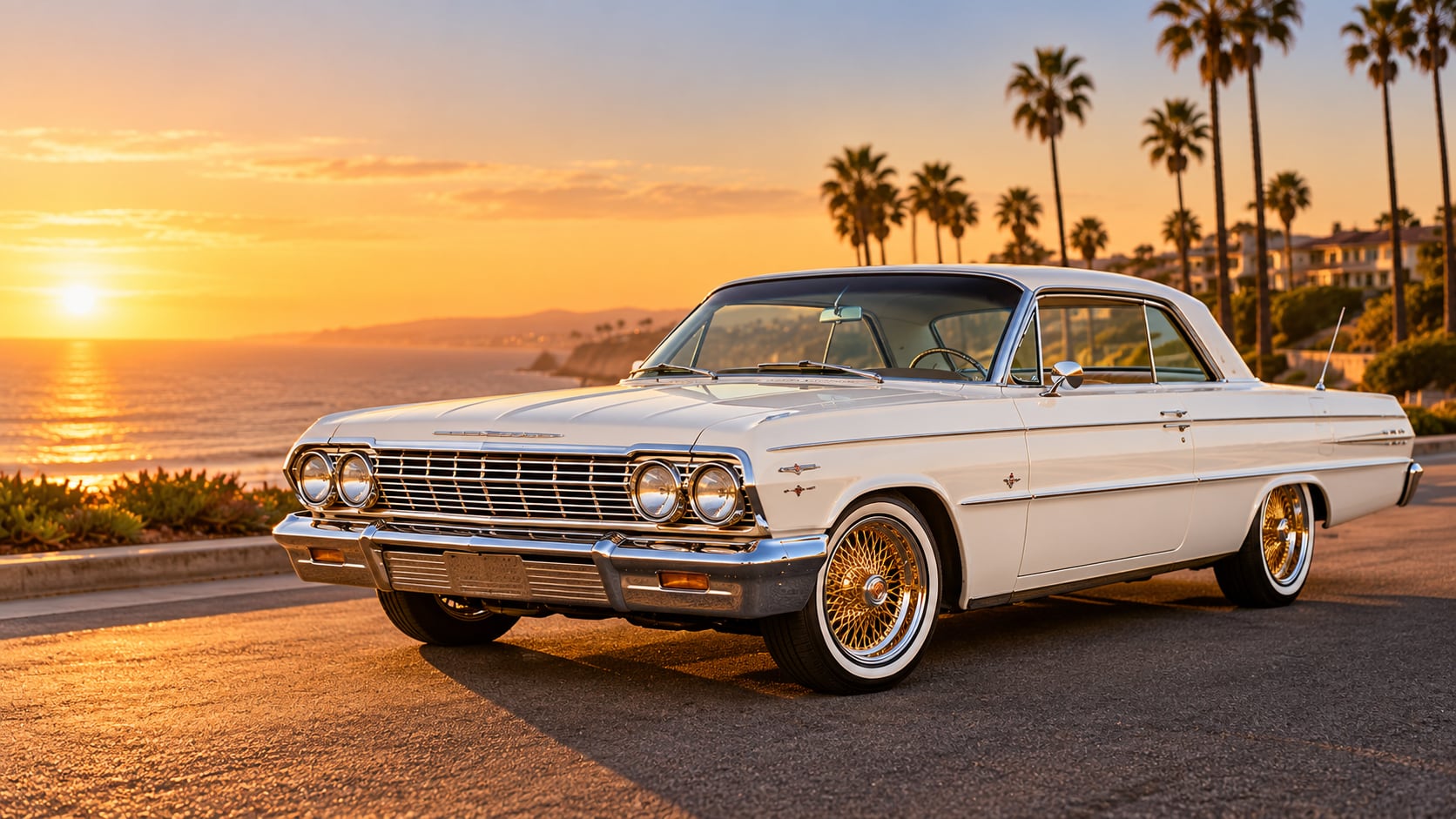
Classic Impala Wheel Guide: Fitment, Style and Stance
Few American cars have a silhouette as recognizable as the classic Chevrolet Impala. Its long body, generous chrome trim and low, confident profile give it a...
Read More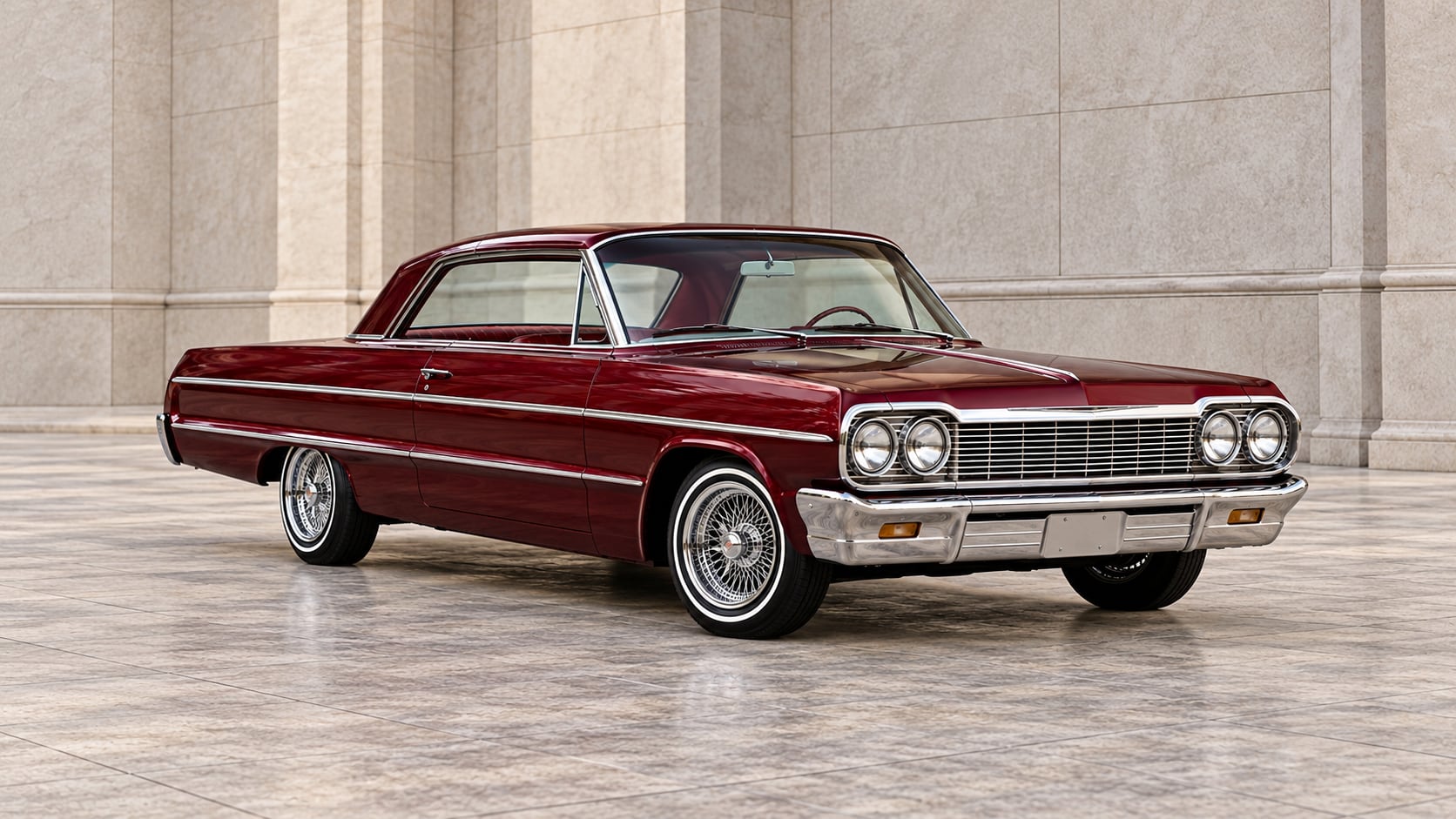
1964 Chevrolet Impala Wire Wheels: A Buyer’s Guide
Compare wire wheel styles for your 1964 Chevrolet Impala, from open chrome designs to denser spokes and gold accents. Learn which vehicle details, mounting components, tire specifications, and order options to verify before buying.
Read More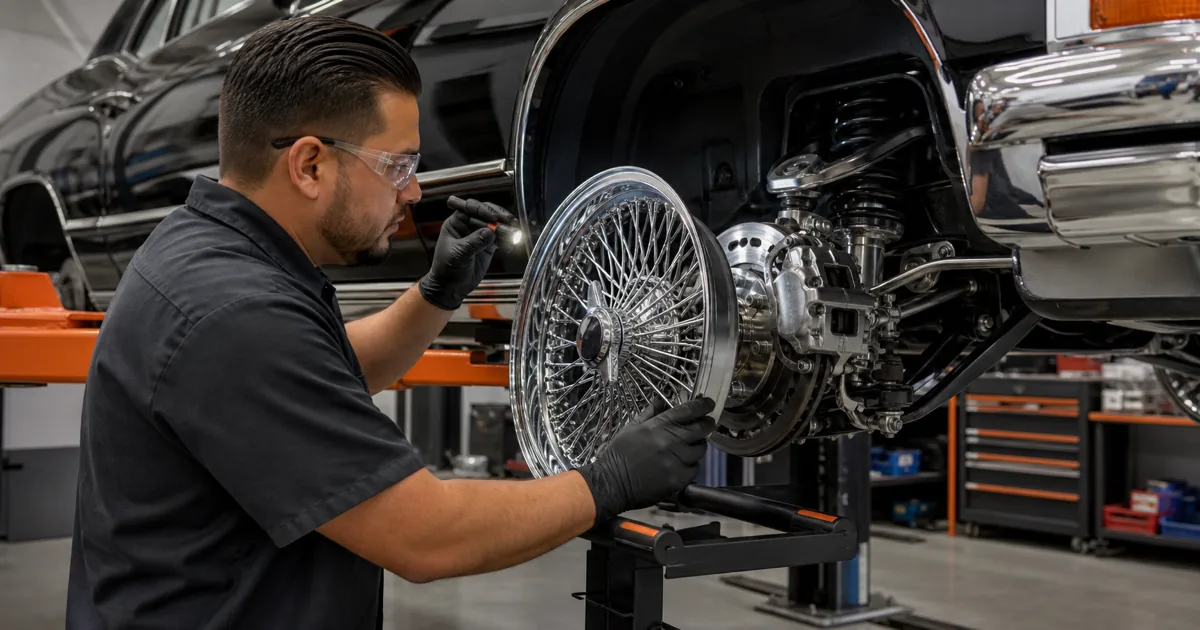
How to Test-Fit Wire Wheels Before Mounting Tires
Before tires are mounted, have a qualified installer inspect the wheels, confirm the adapters and side-specific components, and test-fit the system without damaging it. This can reveal clearance or order problems while the wheels are still unused and easier to evaluate.
Read More