
13-Inch vs. 14-Inch Wire Wheels: Which Size Is Right for Your Lowrider?
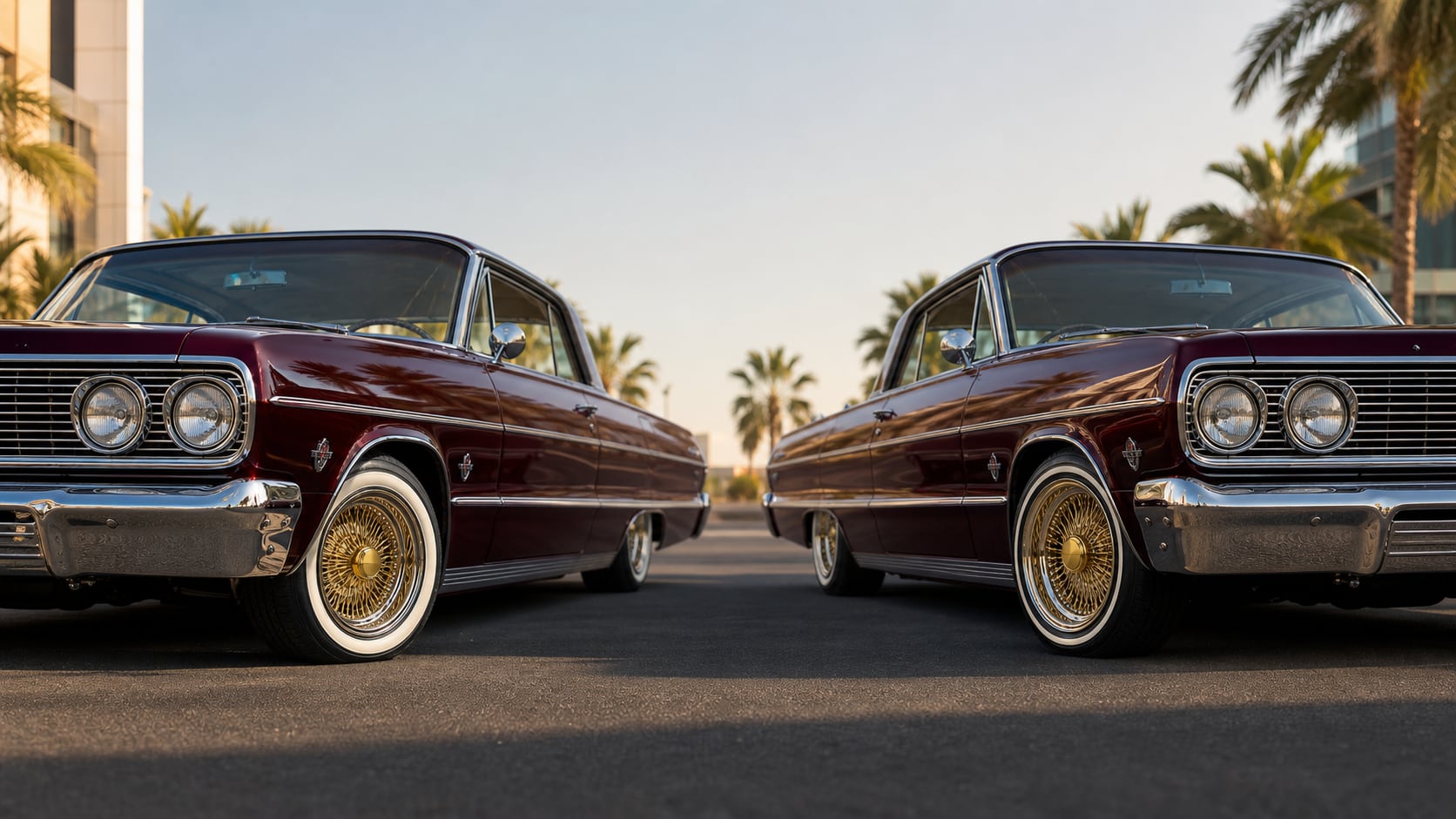
Thirteen-inch and 14-inch wire wheels are only one inch apart on paper, but that difference can change the way a lowrider looks, sits, and fits around the brakes and suspension.
A 13-inch wheel is closely associated with the traditional lowrider appearance. A 14-inch wheel keeps much of that classic character while creating a slightly larger visual footprint. Neither size is automatically better, and neither one can be approved for a vehicle based on appearance alone.
The right choice depends on the vehicle, brake clearance, suspension, hub and adapter setup, tire selection, body clearance, and the stance you want to achieve. This guide explains what to compare before placing an order.
Quick Comparison: 13-Inch vs. 14-Inch Wire Wheels
| Consideration | 13-Inch Wire Wheels | 14-Inch Wire Wheels |
|---|---|---|
| Overall appearance | Smaller, more traditional lowrider proportion | Slightly larger appearance while retaining a classic wire wheel style |
| Brake clearance | Requires careful verification, especially with larger or modified brake components | May provide more room in some applications, but fitment still depends on wheel design and vehicle setup |
| Tire setup | Often produces a taller-sidewall appearance, depending on the selected tire | May produce a slightly shorter-sidewall appearance when maintaining a similar overall tire diameter |
| Best reason to choose | You want the traditional small-wheel lowrider look and fitment has been verified | You want a slightly larger wheel or need to explore additional clearance options |
This table describes general differences, not a vehicle-specific fitment guarantee. Wheel width, offset, backspacing, barrel shape, adapter design, and tire size can change the final result.
How the Two Sizes Change the Look
Size is partly a style decision. A 13-inch wire wheel puts more visual emphasis on the tire sidewall and can make the wheel appear deeper and more compact. That proportion is one reason 13-inch wheels remain closely connected with traditional lowrider builds.
A 14-inch wire wheel fills a little more of the wheel opening. It can look slightly less compact without moving into the appearance of a modern large-diameter wheel. On some cars, that extra inch creates a more balanced relationship between the wheel, tire, and body.
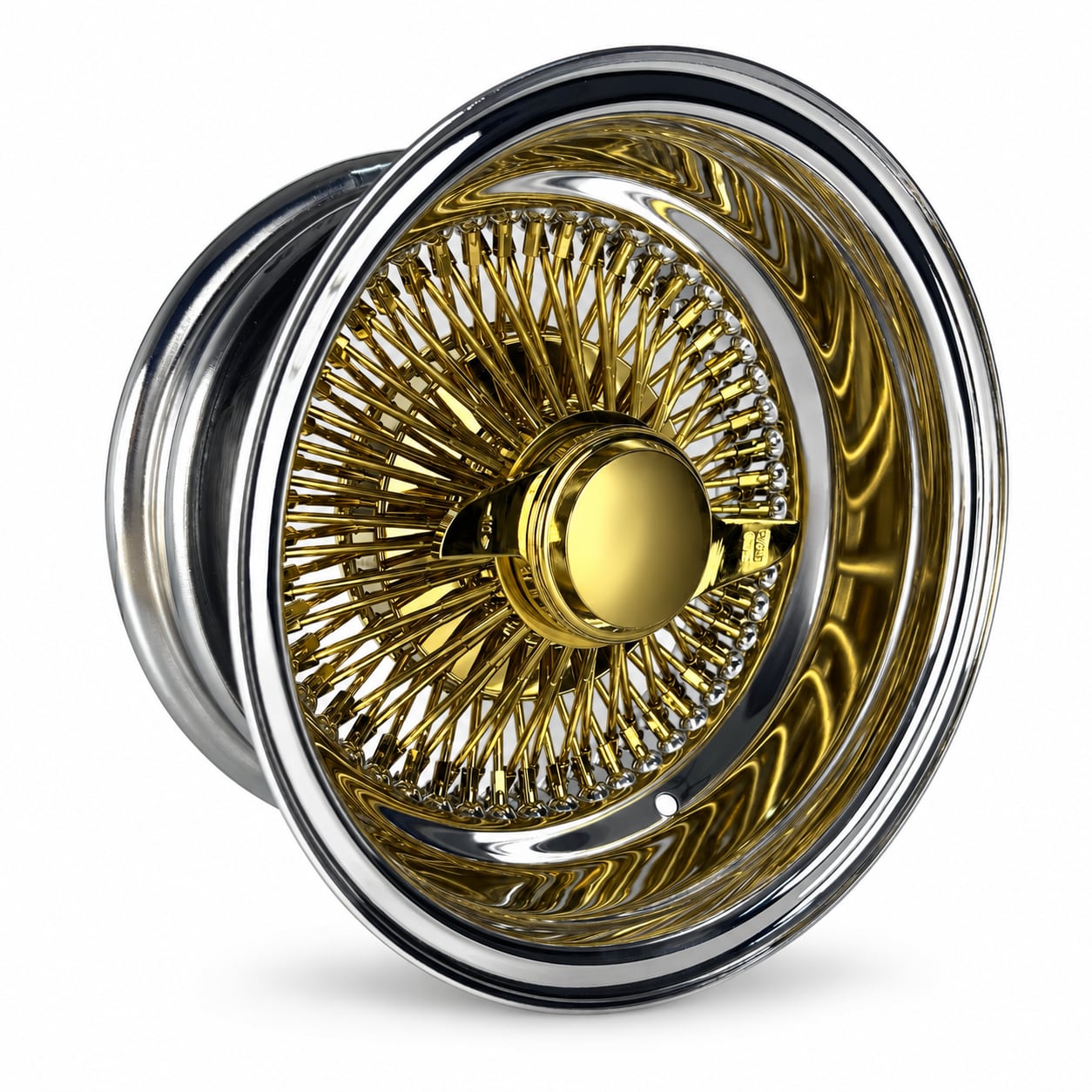
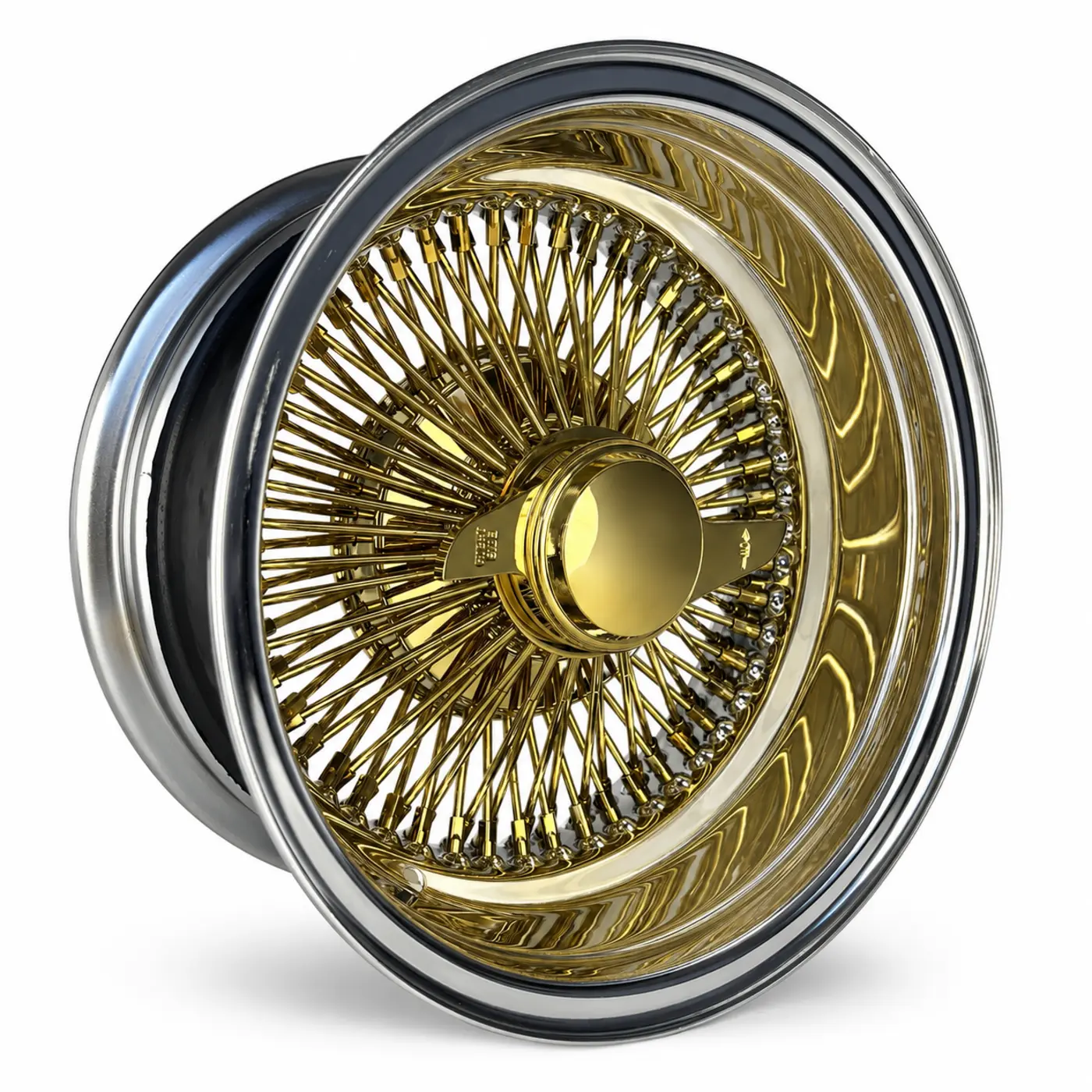
The wheel size is not the only visual difference. Spoke count, lace pattern, finish, wheel width, offset, tire profile, and ride height all affect the final appearance. A 13-inch 72-spoke cross lace wheel can look very different from a 13-inch 100-spoke straight lace wheel, even though both have the same diameter.
When comparing product photos, look at wheels with similar finishes and spoke styles. Otherwise, the difference in chrome, gold, cross lace, or straight lace may draw more attention than the difference in diameter.
The Traditional Appeal of 13-Inch Wire Wheels
For many builders, 13-inch wire wheels are the first size that comes to mind when picturing a classic lowrider. Their smaller diameter can help create the compact wheel-and-tire proportion associated with traditional builds.
That appearance does not mean 13-inch wheels fit every classic car or lowrider automatically. Brake calipers, brake drums, suspension components, steering movement, adapters, and body clearance all need to be checked.
Cars with brake upgrades or other modifications may have different clearance requirements from an otherwise similar stock vehicle. Even two cars from the same year and model can require different consideration if one has modified brakes, suspension, hubs, or axles.
Why Some Builders Choose 14-Inch Wire Wheels
A 14-inch wheel offers a slightly larger look while staying within a traditional range for many lowrider and classic car builds. Some owners prefer the way a 14-inch wheel fills the wheel opening, while others consider it when evaluating brake or suspension clearance.
The larger diameter may create more room around some brake components, but it is not an automatic fitment solution. The internal barrel profile, wheel width, offset, backspacing, adapter, and vehicle modifications still matter.
A 14-inch wheel can also change the tire choices needed to achieve the desired overall diameter and body clearance. The complete wheel-and-tire assembly should be evaluated rather than choosing the wheel first and treating the tire as a separate decision.
Brake and Suspension Clearance
Brake clearance is one of the most important differences to investigate when comparing 13-inch and 14-inch wheels. An extra inch sounds minor until the car is sitting low, the front wheel is turned, and the suspension moves through its usable range.
A wheel must clear more than the outer face of the brake caliper. The installer should also check the internal barrel, mounting surface, suspension components, steering components, valve location, and any hardware that could contact the rotating wheel.
Static clearance with the steering pointed straight ahead is not the complete test. Front clearance should be checked through the steering range, and suspension and body clearance should be considered through the vehicle’s expected movement.
This is especially important on vehicles with hydraulics, air suspension, lowering modifications, upgraded brakes, changed hubs, or non-original axles.
Tire Size and Body Clearance
Wheel diameter is only one part of the final assembly. The tire’s width, sidewall, load rating, and overall diameter affect ride height, fender clearance, suspension clearance, steering clearance, and speedometer behavior.
A 14-inch wheel does not automatically create a taller complete assembly. A different tire profile can produce an overall diameter similar to a 13-inch setup. The opposite is also possible if a taller tire is selected.
Avoid choosing a tire only because it appears frequently on another car online. Two similar-looking builds may have different brakes, suspension, body modifications, axle widths, or intended load.
The tire must be approved for the wheel width and provide suitable load capacity for the vehicle. NHTSA recommends using the original tire size or another size recommended by the vehicle manufacturer; modified applications should be evaluated by a qualified tire and wheel professional.
Vehicle Information to Check Before Ordering
At minimum, provide the correct vehicle year, make, and model when ordering. That information gives us a starting point for reviewing the selected wheel and adapter options.
Year, make, and model may not describe every change made during the life of a classic vehicle. Before ordering, determine whether the car has:
- Factory or upgraded brakes
- Disc or drum brakes
- Modified suspension
- Hydraulic or air suspension
- Changed hubs or axles
- Modified wheel openings or bodywork
- Existing spacers or non-original mounting hardware
Tell us about relevant modifications when asking a fitment question. Leaving out a brake or suspension change can lead to a different recommendation than the vehicle actually requires.
When 13-Inch Wire Wheels May Be the Better Choice
A 13-inch setup may be worth considering when:
- You want a traditional small-wheel lowrider appearance
- The desired spoke style and finish are available in a suitable 13-inch configuration
- Brake, suspension, adapter, and body clearance have been professionally verified
- A suitable tire is available for the wheel width, vehicle load, and intended use
The traditional appearance is the main reason to consider this size. Fitment verification should still come before styling preference.
When 14-Inch Wire Wheels May Be the Better Choice
A 14-inch setup may be worth considering when:
- You prefer a slightly larger wheel in the opening
- You want to explore additional brake-clearance possibilities
- The 14-inch size offers the spoke style or finish you prefer
- The complete wheel-and-tire combination has been checked for body and suspension clearance
Choosing 14-inch wheels does not remove the need to verify offset, backspacing, adapters, tire specifications, and the vehicle’s actual condition.
Before You Order: A Practical Checklist
Before adding a 13-inch or 14-inch setup to your cart, review the following:
- Vehicle year, make, and model
- Known brake, suspension, hub, axle, or body modifications
- Wheel diameter and width
- Standard, reverse, or FWD wheel configuration
- Spoke count and lace style
- Finish
- Selected wheel quantity
- Required knock-offs, center chips, and adapters
- Wheel-and-tire load requirements
- Brake, steering, suspension, and body clearance
Knock-offs, center chips, knock-off adapters, and other selectable accessories are not included in the base wheel price unless the product page and shopping cart expressly state otherwise. Review every selected option and the final quantity before payment.
Test-Fit Before Mounting Tires
Once the wheels arrive, inspect the product name, size, finish, quantity, and selected accessories before installation.
Have a qualified installer test-fit the wheels and applicable adapters before mounting tires. The installer should confirm that each wheel sits correctly and that there is suitable clearance around the brakes, suspension, steering components, and body.
Manufacturer installation guidance commonly recommends test-fitting before mounting tires. For example, Dayton’s wire wheel instructions require clearance checks before completing the tire installation. Do not continue if the wheel contacts another component or does not seat correctly.
Mounting tires, installing the wheels, driving on them, or creating installation marks may affect return eligibility. Review the Refund Policy before installation.
Frequently Asked Questions
Are 13-inch wheels better than 14-inch wheels for a lowrider?
Neither size is automatically better. A 13-inch wheel generally creates a more traditional small-wheel appearance, while a 14-inch wheel creates a slightly larger visual footprint. The better choice is the one that matches your preferred style and has been verified for the vehicle.
Will 13-inch wire wheels fit my classic car?
The vehicle model alone is not always enough to confirm fitment. Brake size, suspension, hubs, axles, body clearance, adapters, and modifications must also be considered. Provide your vehicle’s year, make, and model and disclose relevant modifications before ordering.
Do 14-inch wheels always provide more brake clearance?
Not always. The larger diameter may provide more room in some applications, but internal barrel shape, wheel width, offset, backspacing, adapter design, and brake configuration also affect clearance.
Are knock-offs and adapters included with the wheels?
No. Knock-offs, center chips, knock-off adapters, and other accessories are not included in the base wheel price unless the product page and cart expressly state otherwise. Available accessories must be selected separately.
Can I return the wheels if they do not fit?
An eligible fitment-related return may be accepted if the products remain unused, uninstalled, undamaged, complete, and in their original packaging. Customers are responsible for return shipping, and a restocking fee of up to 20% may apply. Review the full Refund Policy before ordering or installation.
Compare 13-Inch and 14-Inch Wire Wheels
Start with the appearance you want, then verify the complete setup. Compare available spoke styles and finishes, review your selected quantity and accessories, and provide accurate vehicle information when ordering.
If your vehicle has modified brakes, suspension, hubs, axles, or bodywork, contact CR Wire Wheels before ordering.
Related Articles
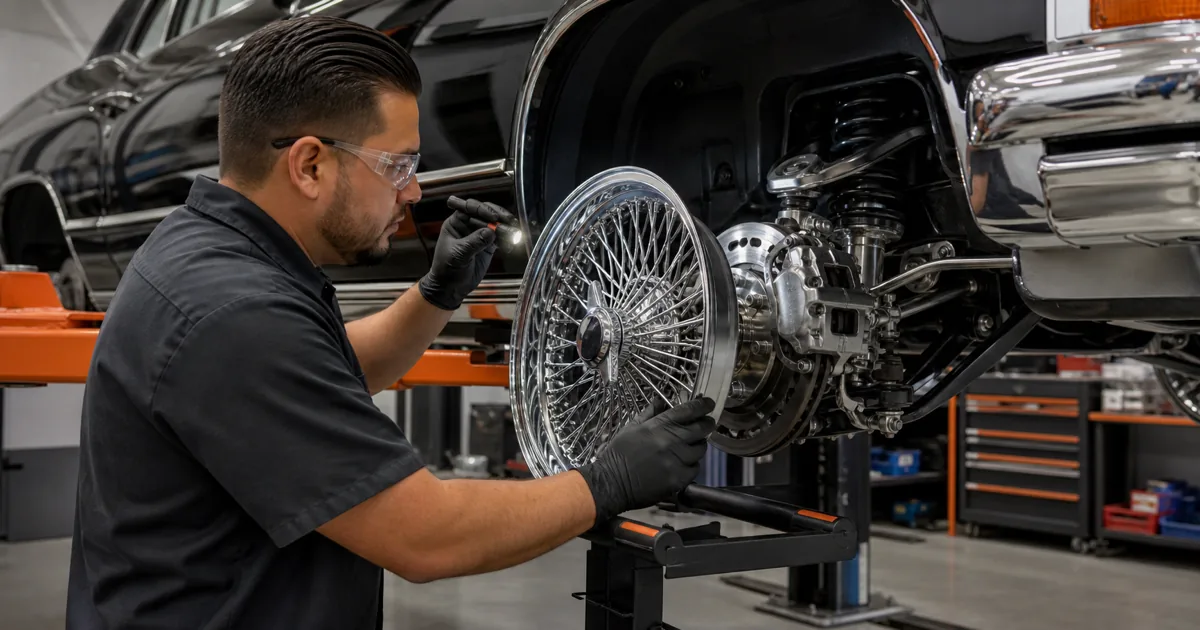
How to Test-Fit Wire Wheels Before Mounting Tires
Before tires are mounted, have a qualified installer inspect the wheels, confirm the adapters and side-specific components, and test-fit the system without damaging it. This can reveal clearance or order problems while the wheels are still unused and easier to evaluate.
Read More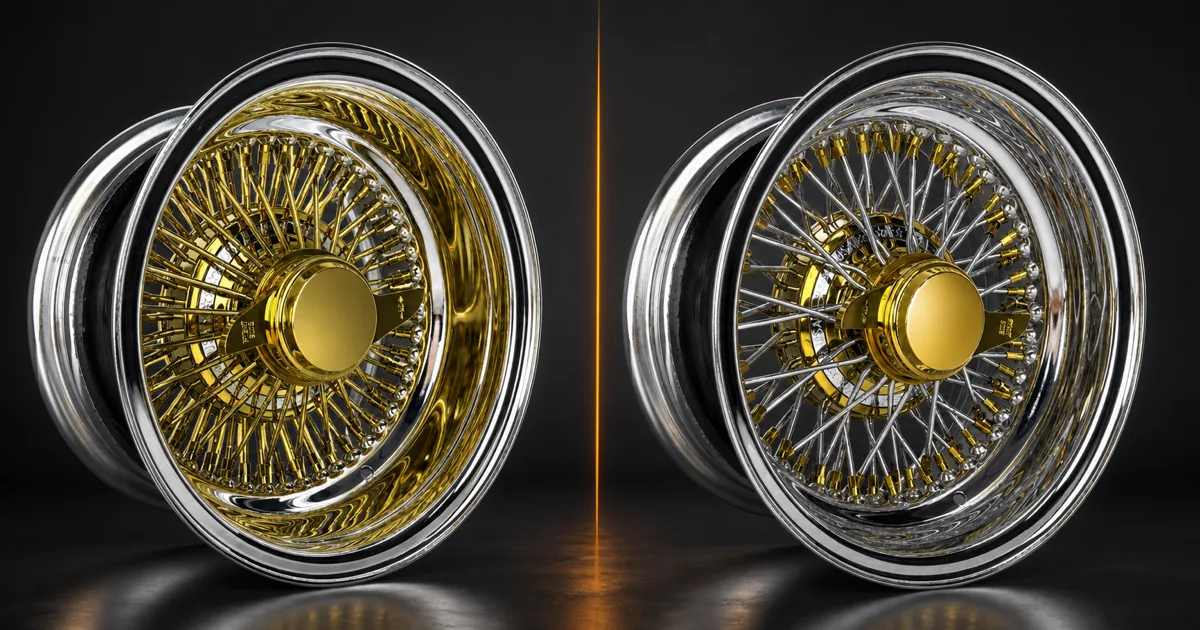
Straight Lace vs. Cross Lace Wire Wheels
Straight lace wire wheels use a more orderly, radial spoke path, while cross lace wheels create visible overlaps and a more layered face. Compare both patterns, learn how spoke count changes the result, and review what actually determines vehicle fitment.
Read More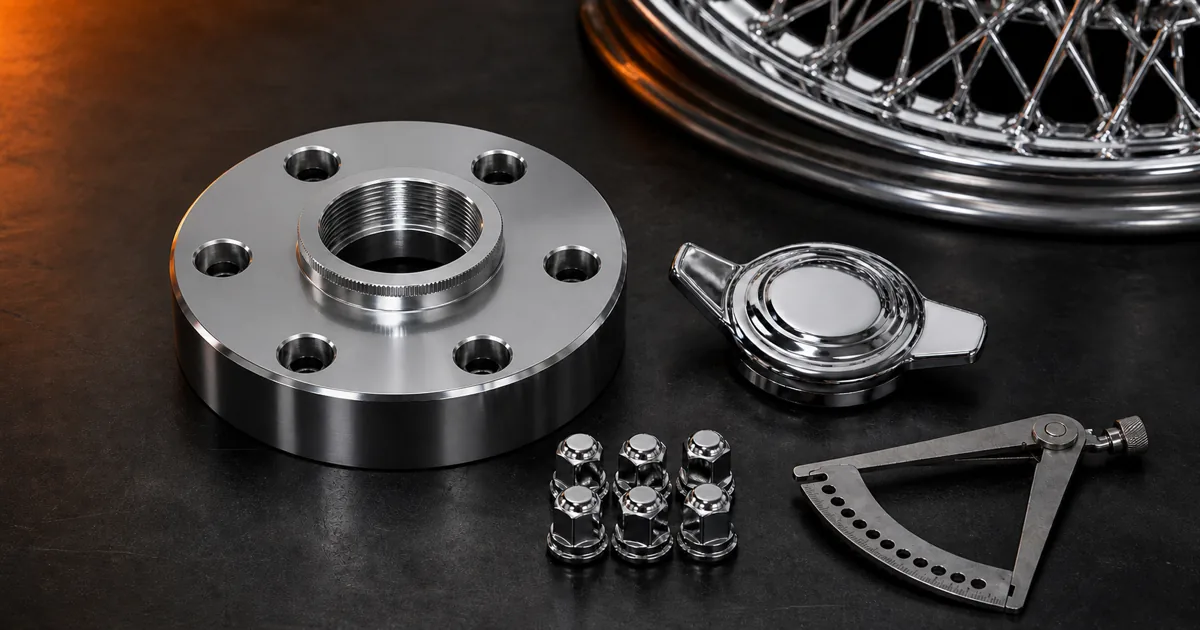
Wire Wheel Adapters & Bolt Patterns
Wire wheel adapter listings can be confusing when they combine bolt-pattern numbers, left- and right-side components, and knock-off hardware. This guide explains what those terms usually mean, what information is needed before ordering, and why installation should follow the instructions supplied with the actual components.
Read More